Language
Latin
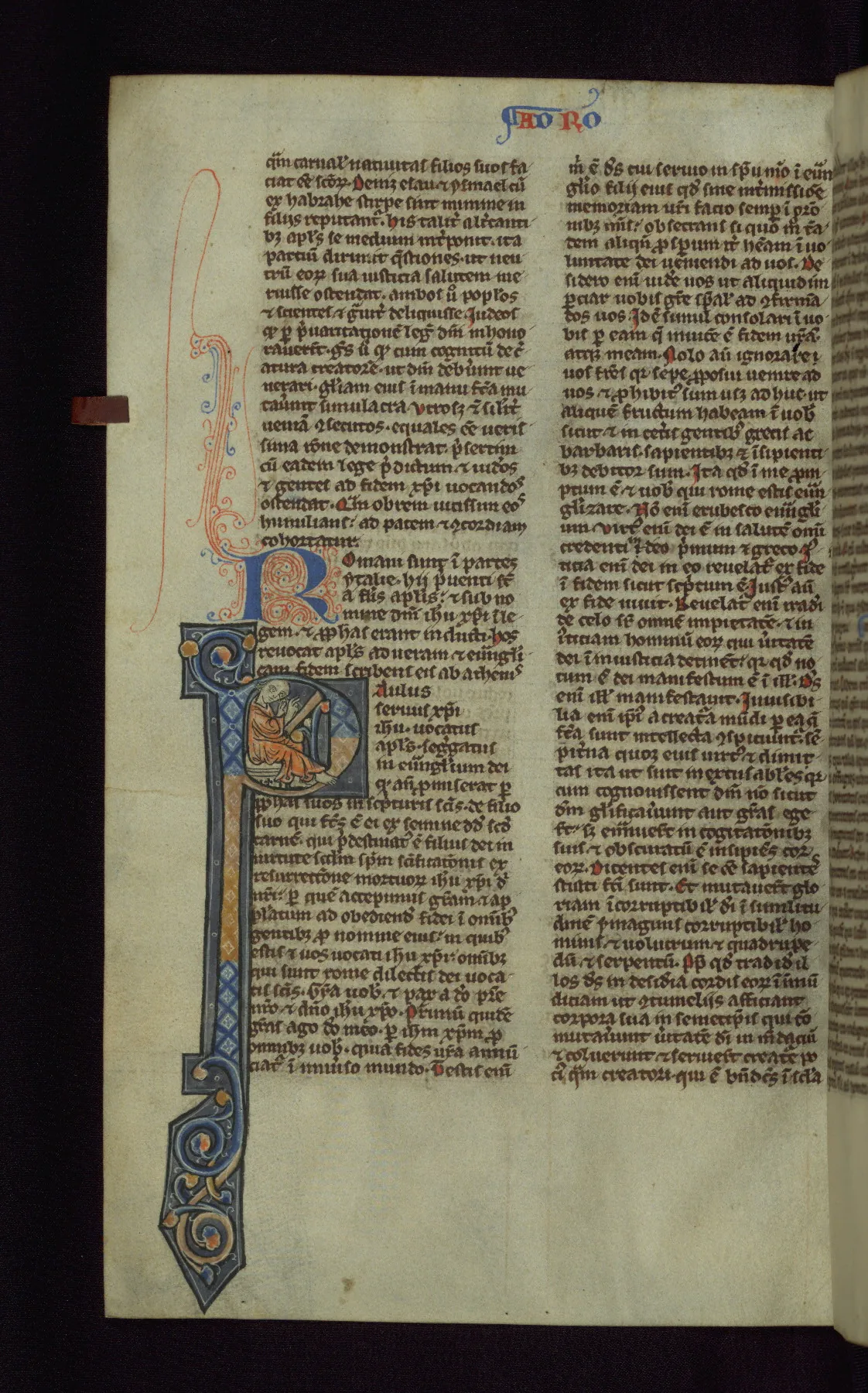
Latin began as the speech of one region of central Italy, and estimates put between half and two thirds of English words in its debt.

At a glance
3rd century BCE
When Romans began writing literature, opening a gap with spoken Latin
about 60 %
Share of English words from Latin, University of Illinois Chicago estimate
1753
Year of Species Plantarum, source of the oldest valid plant names
1758
Year of the tenth Systema Naturae, source of the oldest animal names
From Latium to an empire
Latin belongs to the Italic subfamily of the Indo-European family of languages.
It was first recorded as the language of Latium, the region of central Italy where Rome sits.
Roman conquests carried Latin across Italy and then through the wider Roman Empire.
Once Romans began producing literature in the 3rd century BCE, a gap opened between literary Latin and the spoken vernacular, called vulgar Latin. By the start of the Empire the gap was substantial.
Daughters rather than cousins
The modern Romance languages descend from vulgar Latin, which Roman soldiers and colonists spread.
Italian, French and Spanish descend directly from Latin. English does not, even though it borrowed heavily from it.
Latin stayed the main international language of learning, scholarship and science through the Renaissance.
How much of English is Latin
Estimates of the Latin share of English differ. The Open University says around half of all English words come from Latin, the University of Illinois Chicago says about 60 percent, and the University of Kentucky says about two thirds.
The University of Illinois Urbana-Champaign puts the share at over 65 percent.
Some Latin words entered ordinary speech in Celtic Britain during the Roman period, from the 1st to the early 5th century CE.
Street comes from the Latin strata (via), a paved way, and wall from vallum, a palisaded earthwork.
Wine comes from vinum, cheese from caseus, and the endings caster, cester and chester in place names such as Lancaster, Gloucester and Chester from castra, a camp or fort.
Medical and legal vocabularies are primarily based on Latin.
Latin names for living things
Before Linnaeus, biologists gave species long, unwieldy Latin names that could be altered at will. The wild briar rose was called Rosa sylvestris inodora seu canina by one botanist.
In Species Plantarum, published in 1753, Linnaeus renamed the briar rose Rosa canina, using one Latin name for the genus and one for the species.
The two names make up the binomial, meaning two names, and the system rapidly became the standard way to name species.
The oldest plant names accepted as valid today are those published in Species Plantarum in 1753.
The oldest valid animal names are those in the tenth edition of Systema Naturae, from 1758, the first edition to use binomials consistently throughout.
Sources
- Emory University Language Center, Latin
- University of Illinois Urbana-Champaign, Why Study Latin
- University of Illinois Chicago, Latin
- University of Kentucky, Benefits of Latin
- The Open University, Getting started on classical Latin: 2 Links between English and Latin
- University of California Museum of Paleontology, Carl Linnaeus
- The Open University, Getting started on classical Latin: 2.1 Latin and English: the Roman empire